Seven Kings estate removals in Ilford IG3 expert tips
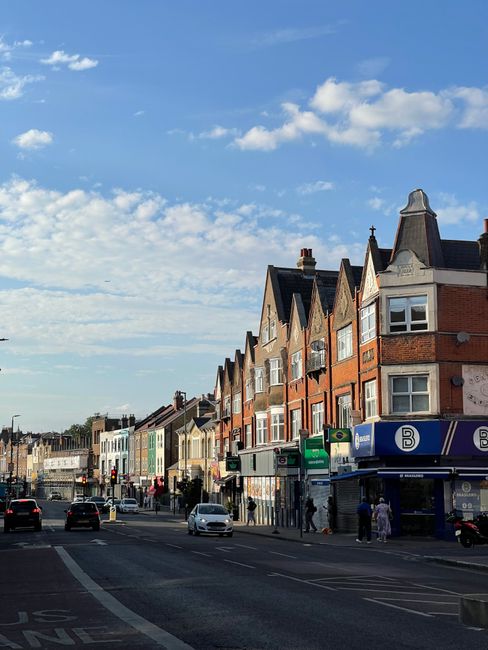
Moving from a Seven Kings estate can feel simple on paper and oddly chaotic in real life. Tight stairwells, shared entrances, awkward parking, last-minute lift delays, and that one box you swear was packed yesterday - it all adds up. If you are planning Seven Kings estate removals in Ilford IG3, the smartest thing you can do is prepare for the small stuff before it turns into a moving-day headache.
This guide pulls together practical, local-minded expert tips for planning, packing, timing, and choosing the right removal support. You will find clear steps, common mistakes, a comparison of moving options, and a checklist you can actually use. No fluff. Just the kind of advice that helps the day run a bit smoother, which is usually what people want, to be fair.
Table of Contents
- Why Seven Kings estate removals in Ilford IG3 expert tips Matters
- How Seven Kings estate removals in Ilford IG3 expert tips Works
- Key Benefits and Practical Advantages
- Who This Is For and When It Makes Sense
- Step-by-Step Guidance
- Expert Tips for Better Results
- Common Mistakes to Avoid
- Tools, Resources and Recommendations
- Law, Compliance, Standards, or Best Practice
- Options, Methods, or Comparison Table
- Case Study or Real-World Example
- Practical Checklist
- Conclusion
- Frequently Asked Questions
Why Seven Kings estate removals in Ilford IG3 expert tips Matters
Estate removals are different from a simple kerbside pickup. In Seven Kings, you may be dealing with flats, maisonettes, shared access, neighbouring cars, narrow corridors, or an entrance that gets busy at exactly the wrong time. That means the move is rarely just about lifting boxes into a van. It is about timing, access, protection, and making sensible choices under pressure.
Why does this matter so much? Because one small issue can slow everything down. If a parking spot is blocked, if a sofa does not fit the turn on the landing, or if the packing is uneven, the whole sequence shifts. Suddenly the move takes longer, costs more, and feels far more stressful than it should.
Good planning also matters because estate moves often involve more than furniture. There may be white goods, fragile kitchen items, wardrobe contents, hallway mirrors, children's belongings, or even a last-minute furniture pick-up that needs handling before the main move. The better the plan, the less the day depends on luck.
And let's face it, no one wants to carry a mattress down three flights of stairs twice. Once is enough.
How Seven Kings estate removals in Ilford IG3 expert tips Works
The process is usually more straightforward than people expect, but only if you treat it like a sequence rather than a single event. A good estate removal starts with assessment, then packing, then move-day coordination, and finally delivery and placement at the new address.
First, you work out what is actually moving. That means separating essentials, fragile items, bulky furniture, and anything that should be disposed of or donated before the move. This stage saves a surprising amount of time later. If a cupboard has been sitting half-full for years, now is the moment to deal with it. Brutal, but useful.
Next comes the access plan. In Seven Kings, access can make or break the day. Think about staircases, hallway widths, lift booking rules, loading points, and whether a van can wait safely without causing trouble for neighbours or traffic. If your move involves a larger load, you may need a removal truck hire or a dedicated moving truck rather than a smaller vehicle.
Then comes packing and transport. Some people pack everything themselves; others use packing and unpacking services to reduce stress and protect delicate items. For smaller or lighter moves, a flexible option like man and van or man with van may be enough. For larger home relocations, a more structured service such as home moves or house removalists can be a better fit.
Finally, there is delivery and placement. A move feels calmer when boxes are labelled clearly, rooms are named in advance, and heavier items go into the right space first. That part is easy to underestimate. It should not be.
Key Benefits and Practical Advantages
When an estate move is planned properly, the benefits show up in small, practical ways. Less waiting around. Fewer broken items. Fewer arguments over who packed the kettle. More control. More confidence.
- Faster loading and unloading: Clear labelling and sensible packing reduce the time spent searching, lifting, and rearranging.
- Lower risk of damage: Proper wrapping, box selection, and furniture protection make a real difference, especially in shared stairwells.
- Better use of transport: Choosing the right vehicle means fewer trips and less wasted space.
- Less physical strain: A move should not leave you wrecked for three days. Good handling methods help.
- Less neighbour disruption: In estate settings, smooth timing and tidy loading matter more than people think.
- More predictable costs: Planning avoids those annoying extras caused by delays or repeated trips.
There is also a quieter benefit: peace of mind. Once you know the order of events, the whole day feels less like a gamble. That is often the biggest win.
Expert summary: The best estate removals are usually not the fastest-looking ones; they are the ones with the cleanest sequence, the clearest packing, and the fewest avoidable surprises.
Who This Is For and When It Makes Sense
This approach is ideal for anyone moving from or within Seven Kings estate property in IG3, especially if the property has shared access or more than one flight of stairs. It is also useful if you are moving with children, working to a fixed handover time, or handling a mix of small items and bulky furniture.
It makes sense for:
- families moving from a flat or maisonette
- tenants with a tight move-out window
- homeowners who want a less stressful relocation
- older residents who prefer support with lifting and packing
- people moving only part of a household, such as furniture or heavy appliances
- small business owners moving stock, office furniture, or equipment from a residential base
It also makes sense when you simply do not have the time to manage every detail yourself. Truth be told, not everyone wants moving day to become a weekend-long puzzle. Sometimes you just want the thing done properly.
If your move is smaller and straightforward, a simple van-based service can be enough. If it is bigger, or if you have fragile items and a lot of furniture, a fuller service is usually the safer choice.
Step-by-Step Guidance
1. Start with a clear inventory
List every major item first: beds, wardrobes, sofa, dining table, appliances, boxes, mirrors, and anything awkward or valuable. Then separate what is staying, what is moving, and what can be disposed of. A quick inventory stops the classic "where did that come from?" moment on moving day.
2. Measure access before you pack
Check door widths, stair turns, lift size, and any tight corners in the property. The sofa that looks perfectly fine in the lounge can become an entirely different creature when you reach the landing. If something seems borderline, measure it. Do not guess.
3. Match the vehicle to the load
Small household moves can often work well with a man with van style service. Larger household contents, or moves with several bulky items, may need a removal truck hire or full truck-based support. The point is not to choose the biggest vehicle. The point is to choose the one that actually fits the job.
4. Pack by room, not by mood
Pack each room separately and label the boxes clearly. Put fragile items in smaller boxes and avoid overfilling. Kitchen items often need the most care; books and tools, meanwhile, are heavier than they look. A box of books can feel like a brick with ambitions.
5. Protect furniture properly
Use covers, blankets, or wrapping for corners, glass, and polished surfaces. Furniture damage usually happens during turning, lifting, and loading rather than while the item is sitting still. That is why wrapping matters so much.
6. Prepare the new property in advance
Before the van arrives, make sure the new home is ready. Clear the route into the property, decide where the biggest items will go, and keep essentials easy to find. If you are using home moves, this is the stage that makes arrival feel calm instead of frantic.
7. Keep a same-day essentials bag
Put keys, chargers, medication, snacks, water, basic cleaning items, and documents in one easy-to-reach bag. It sounds obvious. People still forget it. Then the kettle ends up buried in box 14, and everyone sighs.
Expert Tips for Better Results
Tip 1: Book early if your move date is fixed. Estate blocks often have shared access and tighter timing, so leaving booking to the last minute can limit your options. If you already know your date, act on it.
Tip 2: Think about the loading route, not just the front door. A move may require a longer walk from the flat to the van than you expect. That affects time, effort, and the number of trips.
Tip 3: Use colour-coded labels if you have a lot of rooms. It is a simple trick, but it helps. Blue for kitchen, green for bedroom, red for fragile. Easy to spot, even when everyone is tired.
Tip 4: Keep screws and fittings in sealed bags. Tape the bag to the relevant furniture item or place it in a clearly marked box. Lost fittings are a small problem that becomes a very annoying problem after the move.
Tip 5: Move important documents and valuables yourself. Passports, keys, contracts, and jewellery are best kept with you. Most removal teams will advise the same. Sensible, really.
Tip 6: Ask about unpacking support if the arrival day is tight. If you are juggling work, school runs, or care responsibilities, a little support after delivery can make the new place feel livable much faster. That is where packing and unpacking services can be especially useful.
Tip 7: Do one final walkthrough before loading starts. Check cupboards, windows, under beds, storage alcoves, and meters. It takes a few minutes and saves a lot of backtracking.
Tip 8: Keep communication simple. One person should usually lead the move-day decisions. Too many instructions at once tends to slow things down. Happens all the time.
Common Mistakes to Avoid
Most moving problems are preventable. The frustrating part is that they often feel small until they are not.
- Packing too late: Last-minute packing leads to stress, poor labelling, and fragile items being thrown into whatever box is closest.
- Using oversized boxes for heavy items: A huge box full of books is a bad idea. It is heavy, awkward, and unpleasant to lift.
- Ignoring access details: If the van cannot stop safely or the stairwell is tight, the delay will catch up with you.
- Leaving furniture unprepared: Loose shelves, removable legs, and glass panels should be dealt with before moving day.
- Not planning for parking: In estate areas, parking is one of the most common bottlenecks. Very common.
- Forgetting the essentials bag: A tiny oversight that can make the first evening feel messy.
- Choosing a service that is too small for the load: A quick cheap option is only cheap if it actually does the job properly.
One of the better habits is to assume that anything awkward will take longer than you think. That does not mean expecting disaster. It just means being realistic, which is usually the smarter play.
Tools, Resources and Recommendations
You do not need a van full of specialist kit to move well, but a few basics make a big difference.
- Strong boxes: Use proper moving boxes, especially for kitchenware and books.
- Packing tape and dispenser: Faster, cleaner, less faff.
- Marker pens: Write the room and contents on each box.
- Bubble wrap or paper wrap: Helpful for glass, ceramics, and fragile decor.
- Furniture covers or blankets: Reduce scuffs and scratches during loading.
- Hand trolley or dolly: Useful for heavier boxes and appliances where appropriate.
- Zip bags: Good for screws, cables, and small fittings.
For furniture-only moves or one-off item collection, a service such as furniture pick-up can be a practical option. It is especially handy when you have a sofa, wardrobe, or bulky item that needs moving separately from the main household load.
If you are comparing moving support, the site's about us page can also help you understand the company's service style and approach. That matters more than people think. The right tone and process can make a move feel much easier.
Law, Compliance, Standards, or Best Practice
For most home removals, the main compliance concerns are practical rather than complicated: safe lifting, sensible loading, lawful parking, and making sure access arrangements do not create avoidable disruption. If the move involves a block of flats or a managed estate, there may be building rules about lift use, loading times, or where vehicles can stop. Those rules can vary, so it is worth checking early.
In the UK, good moving practice also means care with personal belongings, clear communication about what is being transported, and reasonable handling of fragile or high-value items. If you are unsure how a provider handles liability, exclusions, or service terms, read the relevant pages carefully. A few minutes now can save awkwardness later. Not glamorous, but useful.
For businesses or larger relocations, it is sensible to plan around health and safety best practice too: reduce manual lifting where possible, avoid blocking access routes, and use appropriate equipment for heavy items. When in doubt, ask for help with the awkward stuff rather than trying to be a hero for twenty seconds and regretting it for two days.
Options, Methods, or Comparison Table
Different moves need different approaches. The right choice depends on volume, access, timing, and how much help you want on the day.
| Option | Best for | Strengths | Things to watch |
|---|---|---|---|
| Man and van | Small moves, single rooms, light loads | Flexible, practical, often efficient for short jobs | May be less suitable for larger household contents |
| Man with van | Compact moves or a few bulky items | Simple, direct, useful for quick turnarounds | Capacity may be limited for full-house moves |
| Home moves | Full residential relocations | More complete support, better for family moves | Needs more planning and clearer inventory control |
| House removalists | Larger or more demanding moves | Structured handling, better for heavy or awkward items | Usually best when access and load size are more complex |
| Removal truck hire | Big loads or multiple trips | High capacity, useful for large furniture and boxes | Requires good access planning and loading organisation |
There is no universal winner here. A smaller move with good access can be handled very efficiently. A bigger estate move, however, often benefits from more capacity and more structured support. The trick is matching the method to the reality of your home, not to what sounds cheapest in the moment.
Case Study or Real-World Example
A typical Seven Kings estate move might involve a two-bedroom flat, one sofa that needs careful turning on the landing, a bed frame with removable parts, a kitchen full of boxed items, and a few fragile bits that absolutely should not be stacked under heavier loads. The resident wants to move before lunchtime because a key handover is booked for the afternoon. Fair enough.
In a case like that, the useful decisions happen before the van arrives. The resident labels every box by room, dismantles the bed in advance, keeps screws in one marked bag, and clears the hallway the night before. The moving team arrives, checks access, and starts with the heavy furniture while the boxes follow in organised groups. Because the route is clear and the load is packed sensibly, the move is calmer and quicker than expected.
What made the difference? Not luck. Planning. Small things, really. But small things are what save a move from becoming a scramble.
That same move could have gone very differently if the boxes had been unlabeled, the van too small, or the hallway full of loose bits and half-open drawers. One version feels manageable. The other one feels like a loud Tuesday in the wrong shoes.
Practical Checklist
Use this checklist in the days before your move. It is simple, but it covers the essentials.
- Confirm the move date and arrival window
- Check access, parking, and lift arrangements
- Measure bulky furniture and tight corners
- Pack room by room and label every box
- Set aside fragile items and valuables
- Prepare screws, cables, and fittings in sealed bags
- Arrange the right vehicle or moving support
- Keep an essentials bag with documents, chargers, and medication
- Clear hallways, entrances, and loading routes
- Walk through the property before the van leaves
- Review the terms and service details in advance
- Keep contact details close in case timing changes
If you want a simple rule, here it is: anything you can do the day before will make moving day easier. A lot easier, actually.
Get a free quote today and see how much you can save.
Conclusion
Seven Kings estate removals in Ilford IG3 are much easier when you plan them like a sequence of small jobs rather than one huge event. Measure access, pack intelligently, choose the right vehicle, and keep the essentials close. That alone removes a surprising amount of stress.
If your move is compact, a flexible van-based service may be enough. If it is a fuller household move, it usually pays to choose a more structured approach with the right packing support and transport capacity. Either way, the goal is the same: get everything across safely, without the frantic last-minute scramble.
And honestly, that calmer finish matters. A move should feel like a new start, not a survival story.
Frequently Asked Questions
What is the best way to prepare for an estate removal in Seven Kings?
Start with an inventory, check access and parking, and pack by room with clear labels. The more you prepare before moving day, the smoother the handover usually goes.
How far in advance should I book removals in Ilford IG3?
If you have a fixed date, booking early is sensible. That gives you more choice on timing and helps reduce last-minute pressure, especially for estate properties with shared access.
Is a man and van suitable for a flat move in Seven Kings?
It can be, if the load is modest and access is straightforward. For larger flats or heavier furniture, a bigger vehicle or a more complete home removal service may be better.
How do I know whether I need removal truck hire?
If you have several large furniture items, lots of boxes, or limited time for multiple trips, a truck-based option is often more practical than a smaller vehicle.
What items should I keep with me rather than put in the van?
Keep valuables, personal documents, keys, medication, and essential chargers with you. That keeps the most important things easy to reach and reduces the risk of misplacement.
Do packing and unpacking services really save time?
Yes, especially if your move includes fragile items, a busy work schedule, or a tight deadline. They can make the day feel less chaotic and help protect breakables properly.
What is the biggest mistake people make with estate removals?
Underestimating access issues. A difficult stairwell, tight hallway, or poor parking plan can slow everything down more than people expect.
Should I dismantle furniture before the movers arrive?
If it can be done safely and in advance, yes. Taking apart beds and large wardrobes often makes loading easier and reduces the chance of damage.
How can I reduce damage during the move?
Use proper packing materials, wrap furniture corners, avoid overfilled boxes, and label fragile items clearly. Careful loading matters just as much as careful packing.
What is the difference between home moves and house removalists?
In practice, both refer to residential moving support, but one may feel more general while the other suggests a more structured removal service. The useful question is not the label - it is whether the service suits your load and access needs.
Can I move furniture separately from the rest of my belongings?
Yes. Furniture-only jobs are common, especially when you need to move one or two bulky items without arranging a full household removal.
Where can I learn more about the company before booking?
The most useful starting points are the service pages and the about us page, which can help you understand the service style before you make a decision.
For the next step, look at your access, your packing, and your load size together. Once those three things are clear, the right moving option usually becomes obvious. A good move has a rhythm to it, and when you find that rhythm, everything feels lighter.