How to Prevent Damage When Packing for a Household Move
How to Prevent Damage When Packing for a Household Move: The Complete Guide
Moving to a new home is an exciting transition, but it can also be a source of stress--especially when it comes to protecting your belongings. One of the biggest concerns that homeowners and renters face during a relocation is preventing damage when packing for a household move. In this guide, you'll find comprehensive tips and strategies to help your possessions arrive safely, minimize breakage, and give you that all-important peace of mind.
Why Damage Occurs During a Move
Understanding why damage happens is the first step toward avoiding it. Items commonly get damaged during a move because of:
- Improper packing techniques
- Low-quality or insufficient packing materials
- Heavy items crushing delicate ones in boxes
- Vibration and jostling during transportation
- Environmental factors (moisture, heat, cold)
By addressing these issues head-on, you can substantially reduce the risk of damage when moving household goods.
Essential Packing Supplies for Damage-Free Moves
Investing in quality packing materials is one of the best ways to prevent damage during a household move. Here's what you'll need:
- Sturdy cardboard boxes in various sizes
- Heavy-duty packing tape
- Bubble wrap and/or foam sheets
- Packing paper (avoid newspaper because the ink can transfer)
- Furniture blankets or pads
- Plastic stretch wrap (to secure drawers and doors)
- Ziplock bags or small containers for hardware
- Thick markers and labels for organization
*Remember: using high-quality packing supplies is the cornerstone to protecting your valuables.*
Pro Tip: Don't Overlook Specialty Boxes
Dish packs (double-walled boxes), wardrobe boxes with hanging rods, and TV boxes can provide customized protection for fragile items during transit--well worth the small additional investment!
Packing Strategies to Safeguard Your Possessions
1. Start with Decluttering
The less you have to pack, the easier it is to keep things safe. Declutter ruthlessly by donating, selling, or discarding items you no longer need. This will save you time, packing materials, and ensure you only focus on protecting possessions that matter.
2. Organize by Category
Instead of packing room-by-room, group items by category--such as kitchenware, electronics, or clothing--to facilitate proper packing and prevent damage to delicate belongings.
- Fragile items like glassware and dishes should be packed separately and clearly labeled.
- Heavy objects (books, tools) go in small boxes. This prevents boxes from breaking and makes them easier to move.
3. Use the Right Packing Methods
Developing skillful packing techniques is essential if your goal is damage-free moving. Here are expert tips:
- Wrap each item individually: Use bubble wrap or packing paper, especially for fragile, breakable, or odd-shaped objects.
- Fill empty spaces: Prevent movement inside boxes by filling gaps with paper, foam peanuts, or towels.
- Heaviest items on the bottom: Place heavier items first and lighter ones on top to prevent crushing.
- Don't overload boxes: Boxes that are too heavy are more likely to break or be dropped.
- Seal boxes securely: Tape firmly along seams and reinforce corners.
4. Label Everything Clearly
Proper labeling is crucial to preventing damage--for both you and your movers. Mark each box with:
- Contents (e.g., "dishes", "books")
- Room destination (e.g., "kitchen", "office")
- "Fragile" and "This Side Up" where applicable
Clear labeling ensures boxes are handled with the appropriate care and placed in the right rooms upon arrival.
5. Protect Furniture and Large Items
Bigger items require special attention. To prevent furniture damage during moving:
- Disassemble where possible: Remove legs from tables, unscrew bed frames, and take apart large shelves. This makes pieces easier to maneuver and less likely to catch on doorways.
- Wrap thoroughly: Use moving blankets, bubble wrap, or padded covers to envelop furniture, especially corners and glass elements.
- Protect hardware: Place screws and bolts from each item in labeled bags and tape them to the corresponding furniture.
*Pro tip: Use cardboard or foam sheets as extra protection between stacked or packed furniture items.*
6. Secure Fragile and Valuable Possessions
Some items require extra care for a safe move, such as:
- Electronics: Use original packaging if available; otherwise, wrap screens and components in anti-static and bubble wrap. Cushion inside boxes with plenty of padding.
- China, Glass, and Ceramics: Double-wrap and place plates vertically in the box for better shock absorption.
- Paintings and Mirrors: Use special mirror/picture boxes and protect corners with cardboard or foam guards.
How to Load the Moving Truck for Damage Prevention
Packing your boxes correctly is only half the battle. The way you load your possessions onto the moving truck is equally crucial in avoiding damage when moving.
Tips for Safe Loading
- Create a stable base: Place the heaviest and sturdiest items (like appliances and dressers) on the bottom toward the front of the truck.
- Keep fragile boxes on top and secured: Never stack heavy or unstable boxes on top of fragile ones.
- Minimize empty space: Secure items tightly together to prevent shifting during transit--fill gaps with soft goods if necessary.
- Tie down large items: Use ropes or moving straps to anchor furniture and keep stacks from falling.
- Load essentials last: Boxes you'll need immediately (like bedding or toiletries) should go in last for easy access.
Common Packing Mistakes That Lead to Damage
Even with the best intentions, mistakes can happen. Here are some to avoid at all costs when aiming for a damage-free household move:
- Using boxes that are too large for their contents: Leads to shifting, breakage, and difficulty carrying.
- Skipping the padding: Items without adequate cushioning are vulnerable to bangs and jolts.
- Packing hazardous materials: Movers may refuse to transport dangerous goods, and these can cause accidental leaks or breakage.
- Not securing doors and drawers: Moving furniture with loose parts can result in breakage or injury.
Recognize and avoid these errors to keep your household items safe during the move.
Special Packing Tips for Different Household Items
Every item in your home has unique packing needs. Here's how to protect the most damage-prone items when moving:
1. Dishes, Glassware, and Ceramics
- Wrap each piece individually in paper or bubble wrap.
- Stack plates vertically like records--less surface area to absorb shocks.
- Fill empty spaces, top, and bottom with extra padding.
- Label the box as "Fragile" on all sides.
2. Electronics
- Remove cables and accessories; pack them separately in labeled bags.
- Use anti-static bubble wrap and plenty of padding.
- Fill all gaps to prevent shifting.
- Keep electronics away from direct heat or cold.
3. Clothing and Linens
- Use wardrobe boxes for hanging garments.
- Pack linens in clean bags or boxes--their softness also works as padding for fragile items.
4. Books
- Pack flat in small boxes; books get heavy quickly.
- Alternate spines to prevent warping.
5. Art, Mirrors, and Pictures
- Wrap with glassine or plastic wrap to prevent damage to surfaces.
- Use foam corner protectors and specialty boxes.
- Mark them very clearly as fragile.
Consider Professional Packing Services
If you are pressed for time, have extremely valuable items, or want to guarantee the safest possible move, hiring a professional packing service can be worthwhile. Many moving companies offer full or partial packing services, with teams trained in damage prevention techniques for moving furniture and fragile items. While this comes at an extra cost, it may save you from the heartache--and replacement cost--of damaged possessions.
Frequently Asked Questions About Preventing Damage During a Move
What should I do if something is damaged despite careful packing?
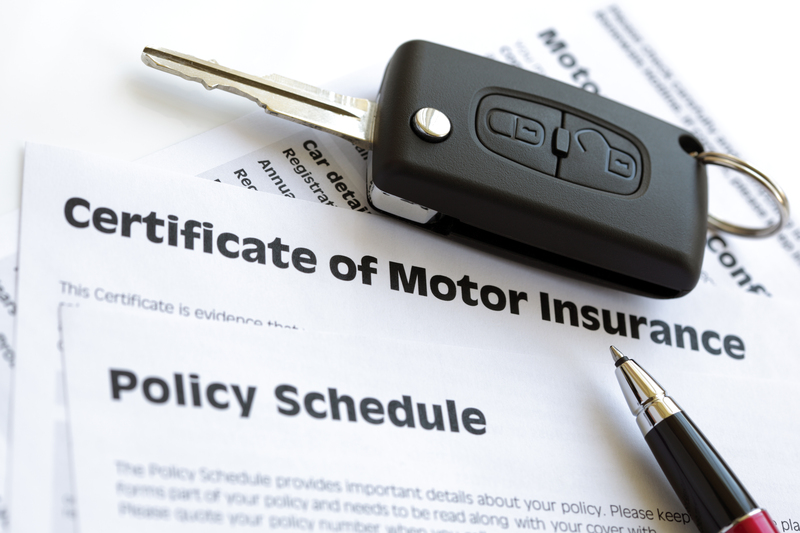
Contact your moving company and check their insurance policy. If you moved yourself and have renters or homeowners insurance, check if your policy covers damages sustained during moving. Always document the condition of your items before the move with photos for evidence.
Is it safe to reuse packing materials?
Reusing sturdy, clean boxes and packing paper is environmentally friendly and cost-effective. However, avoid using boxes that are worn, weak, or have been compromised by moisture, as they may not protect your items as well during transport.
How far in advance should I start packing?
Begin packing non-essentials 3-4 weeks before your move. The earlier you start, the less rushed and more careful your packing process will be--helping to prevent damage.
Conclusion: Make Your Move Damage-Free
Preventing damage during a household move doesn't have to be stressful. With proper planning, the right packing materials, careful techniques, and smart organization, you can ensure your possessions arrive at your new home safely and intact. Remember, the way you pack truly matters—from the boxes you use to how you load the truck. By following the advice in this guide, you'll be well on your way to a smooth, worry-free transition. Happy moving!
- Use high-quality packing supplies for the best protection.
- Keep boxes under control weight-wise and fill all gaps.
- Label clearly and protect the most fragile and valuable items first.
- Consider professional packers for large or difficult moves.
Preparation and attention to detail are your best allies in preventing damage when packing for a household move!

